The Step-by-Step Guide to a Successful Roof Replacement
December 22, 2025
A roof is far more than just a protective layer over a home; it is a critical component that ensures safety, comfort, and energy efficiency. Over time, even the most durable roofs experience wear and tear due to weather, age, or structural issues. Recognizing when a roof needs replacement and understanding the process can save homeowners from costly repairs and unexpected damages. A successful roof replacement involves careful planning, selecting the right materials, and working with skilled professionals who can execute the project with precision.
For homeowners, the prospect of replacing a roof can be overwhelming. Questions about costs, materials, timelines, and disruptions to daily life often create uncertainty. This comprehensive guide breaks down the roof replacement process step by step, providing practical advice, expert reasoning, and actionable tips for ensuring a smooth and efficient project. Whether you are dealing with storm damage, outdated roofing, or leaks, understanding each stage of replacement will empower you to make informed decisions and achieve a durable, long-lasting result. By following this guide, homeowners can navigate the complexities of roof replacement with confidence and ensure their property remains protected for years to come.
Assessing Your Roof’s Condition
Signs Your Roof Needs Replacement
Before initiating a roof replacement, homeowners must accurately assess the condition of their existing roof. Common indicators include visible leaks, curling or missing shingles, granule loss on asphalt shingles, and water damage in the attic or ceilings. In many cases, roofs that are 20 years or older may also require replacement due to natural wear. Ignoring these signs can lead to structural damage, mold growth, and energy inefficiency.
Professional Roof Inspections
Engaging a professional roofing contractor for a detailed inspection is highly recommended. Experts can identify underlying issues that may not be visible to an untrained eye, such as compromised decking, improper ventilation, or damaged underlayment. A thorough inspection typically includes checking shingles, flashing, gutters, and the overall structural integrity of the roof. This initial evaluation provides a roadmap for the replacement project, helping homeowners understand costs, material options, and potential challenges.
Estimating Costs and Planning
After the inspection, it’s crucial to obtain a detailed estimate from a licensed roofing contractor. Costs vary based on roof size, material choice, labor, and local regulations. Understanding the financial commitment early allows homeowners to plan budgets, prioritize essential repairs, and avoid unexpected expenses during installation. Proper planning at this stage sets the foundation for a successful replacement, minimizing stress and ensuring smoother project execution.
Choosing the Right Roofing Materials
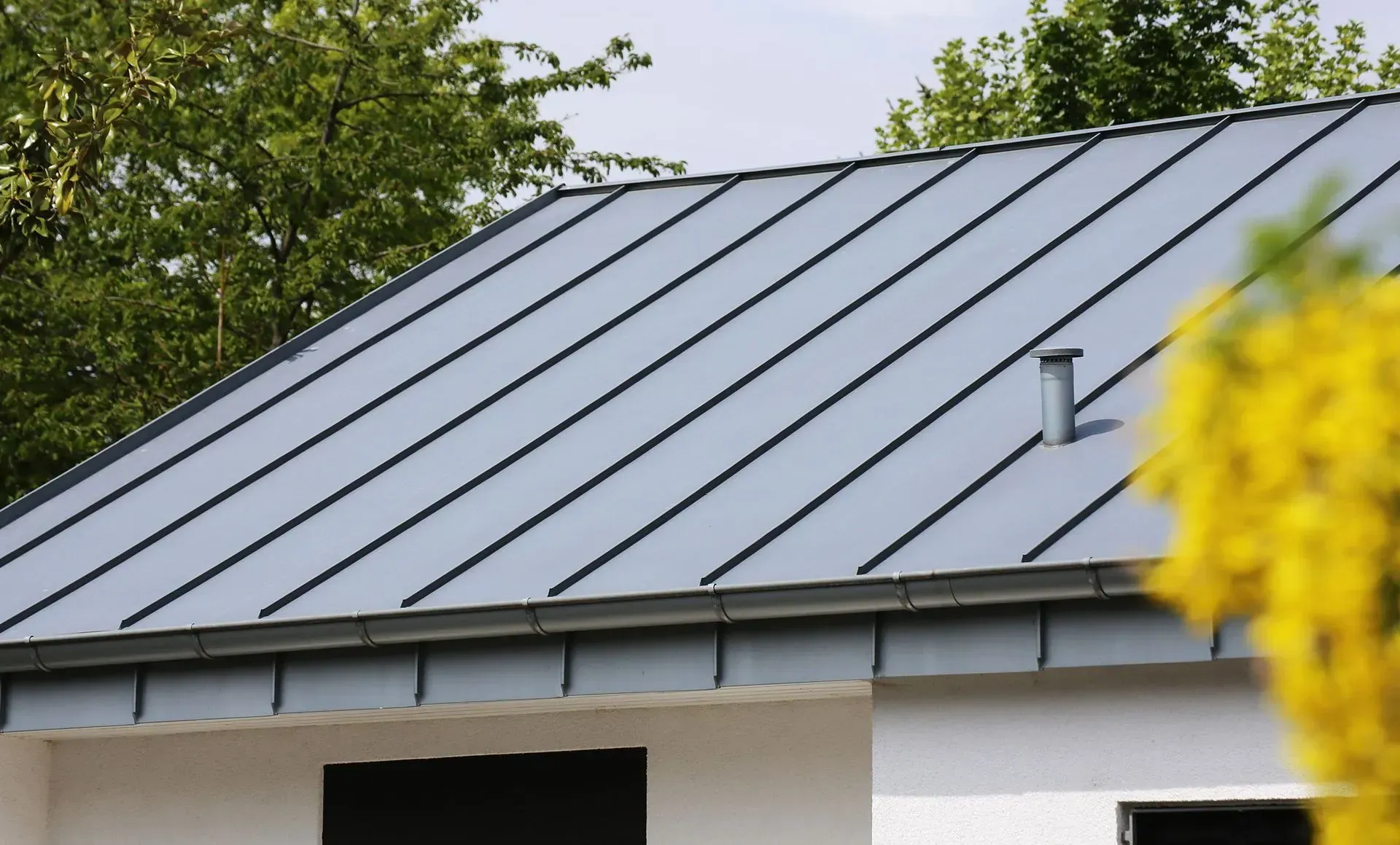
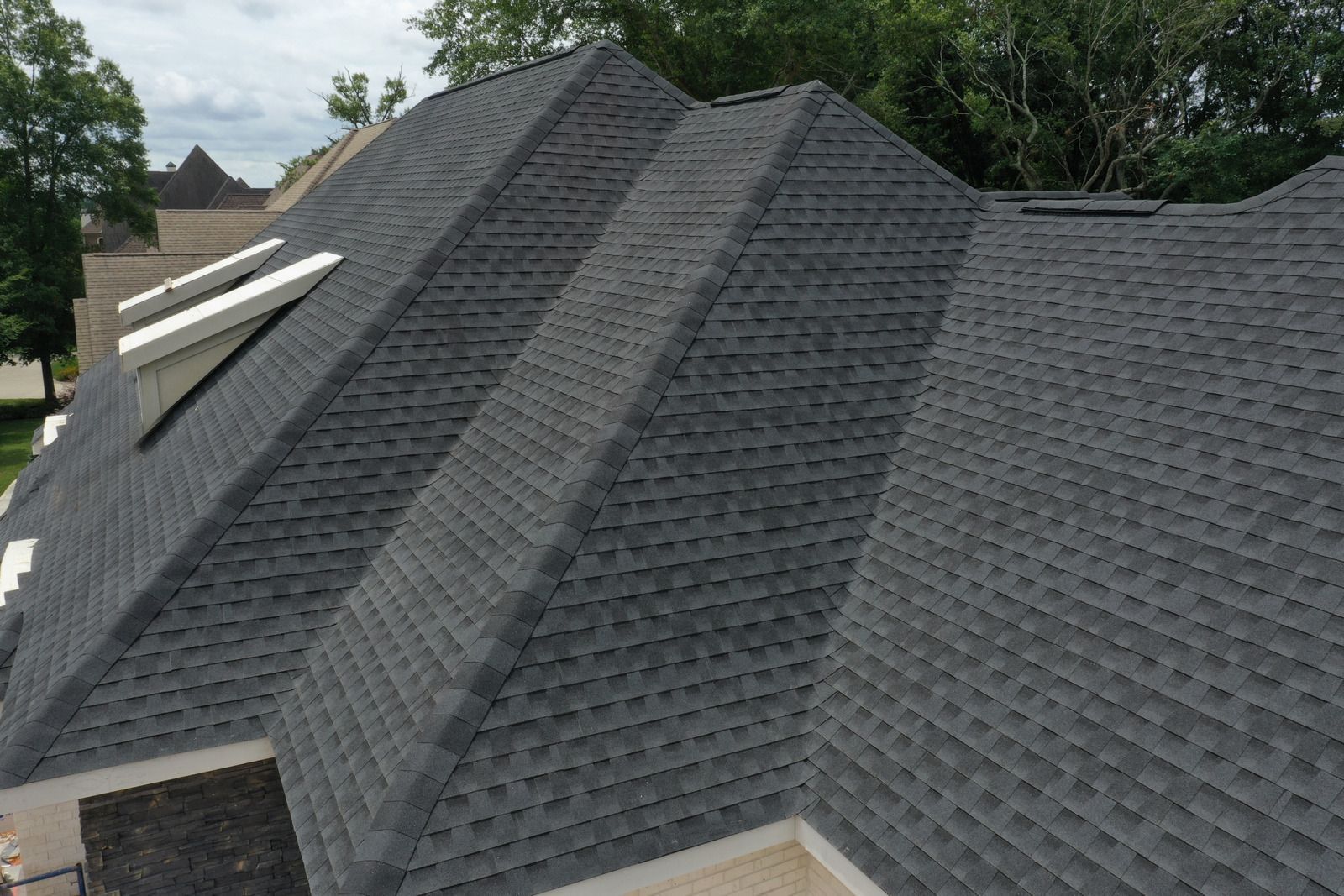
- Understanding Material Options:- Selecting the right roofing material is a critical decision that affects durability, aesthetics, and energy efficiency. Common options include asphalt shingles, metal roofing, slate, clay tiles, and synthetic materials. Each type comes with specific benefits and considerations. For instance, asphalt shingles are cost-effective and easy to install, while metal roofs offer long-term durability and energy savings. Homeowners must weigh initial costs against long-term performance to determine the best fit.
- Factors Influencing Material Choice:- Several factors influence material selection, including climate, roof pitch, and home architecture. In areas with heavy rainfall or snowfall, materials that provide superior water shedding and resistance to ice dams are essential. Additionally, aesthetic compatibility with the home’s exterior and compliance with local building codes should be considered. Choosing the wrong material can lead to premature wear, higher maintenance costs, and potential code violations.
- Benefits of High-Quality Materials:- Investing in high-quality materials can extend the lifespan of a roof and reduce maintenance needs. Durable materials resist environmental stresses, retain color and texture over time, and enhance the overall property value. By collaborating with a professional roofing contractor, homeowners can receive recommendations tailored to their location, budget, and design preferences, ensuring a cost-effective yet long-lasting solution.
Preparing for the Roof Replacement
Clearing the Work Area
Proper preparation is essential for a smooth roof replacement. This includes clearing the property of vehicles, outdoor furniture, and valuables that may be damaged during construction. Homeowners should also cover landscaping and garden areas to protect them from debris and falling materials.
Scheduling and Weather Considerations
Roof replacement is highly weather-dependent. Contractors typically schedule work during dry, mild conditions to avoid delays and ensure optimal installation. Planning the replacement during favorable weather not only improves efficiency but also protects materials and ensures proper adhesion.
Obtaining Necessary Permits
Depending on local regulations, homeowners may need permits before starting a roof replacement. Licensed contractors usually handle this process, ensuring compliance with building codes and safety standards. Securing permits ahead of time prevents legal complications and ensures the project proceeds without unnecessary interruptions.
Safety Preparations
Roofing work carries inherent risks. Contractors implement safety measures such as scaffolding, harnesses, and debris management to protect both workers and residents. Homeowners should discuss safety protocols with their contractor to ensure everyone on-site is aware of procedures and emergency plans.
The Roof Removal Process
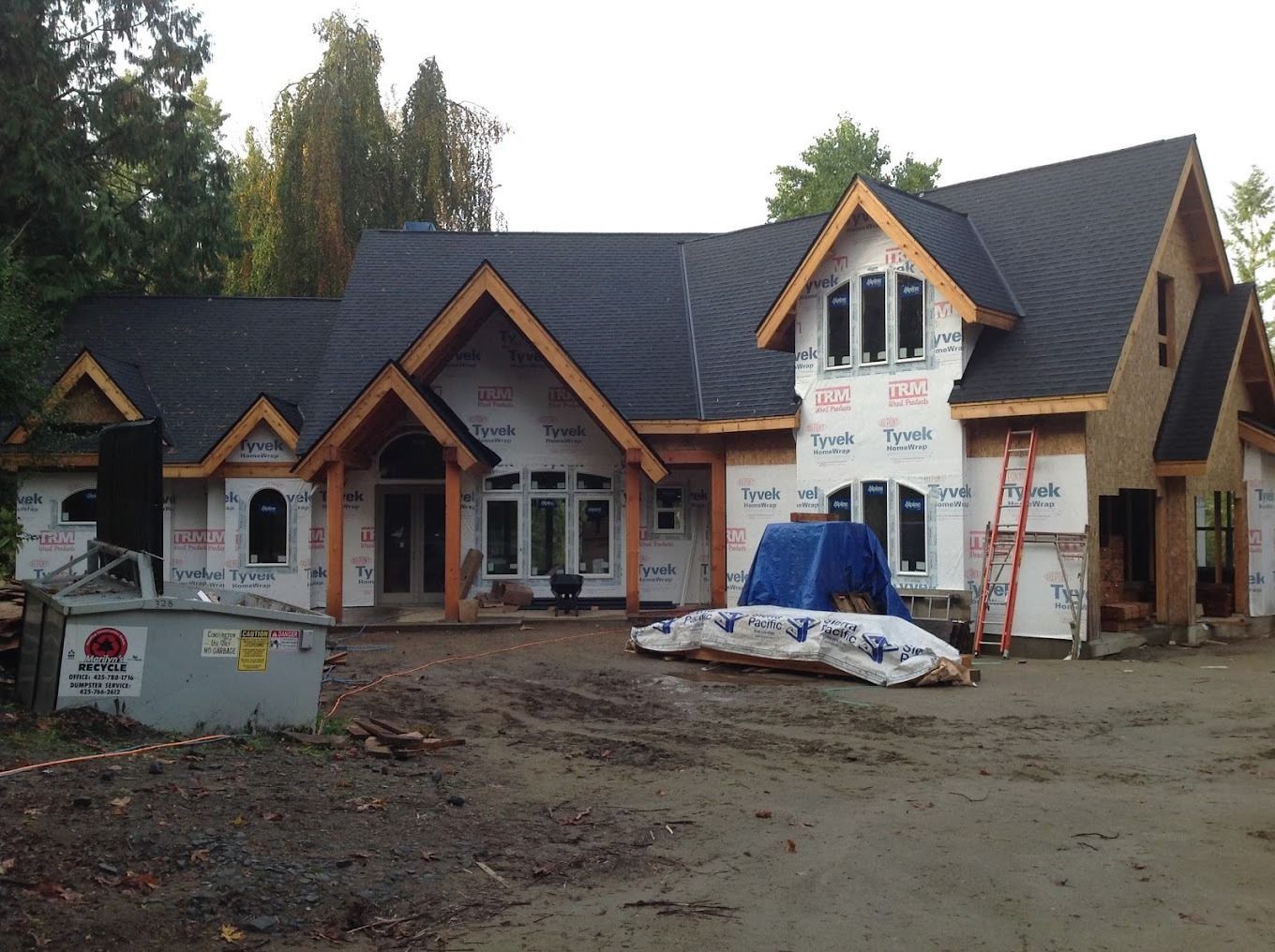
- Stripping Old Roofing Material:- The first step in installation involves removing the existing roof. This may include shingles, underlayment, flashing, and occasionally damaged decking. Proper disposal of old materials is crucial to prevent environmental hazards and maintain a clean worksite. Contractors often use dumpsters or specialized hauling equipment to manage waste efficiently.
- Inspecting the Decking:- Once the old roofing is removed, the underlying decking is inspected for rot, water damage, or structural weaknesses. Any compromised areas are repaired or replaced to create a stable foundation for the new roof. This step ensures long-term durability and prevents future leaks or structural issues.
- Addressing Ventilation and Insulation:- During the removal phase, contractors also assess attic ventilation and insulation. Proper ventilation helps regulate temperature, reduce moisture buildup, and extend the life of roofing materials. Inadequate ventilation can cause shingles to deteriorate prematurely and increase energy costs. Correcting these issues during replacement ensures optimal performance.
Installing the New Roof
Laying the Underlayment
The underlayment serves as a critical barrier against moisture and environmental damage. High-quality underlayment, such as synthetic or felt options, is installed across the decking before shingles or other materials are applied. Proper installation prevents leaks, enhances energy efficiency, and provides an additional layer of protection against harsh weather.
Installing Shingles or Roofing Material
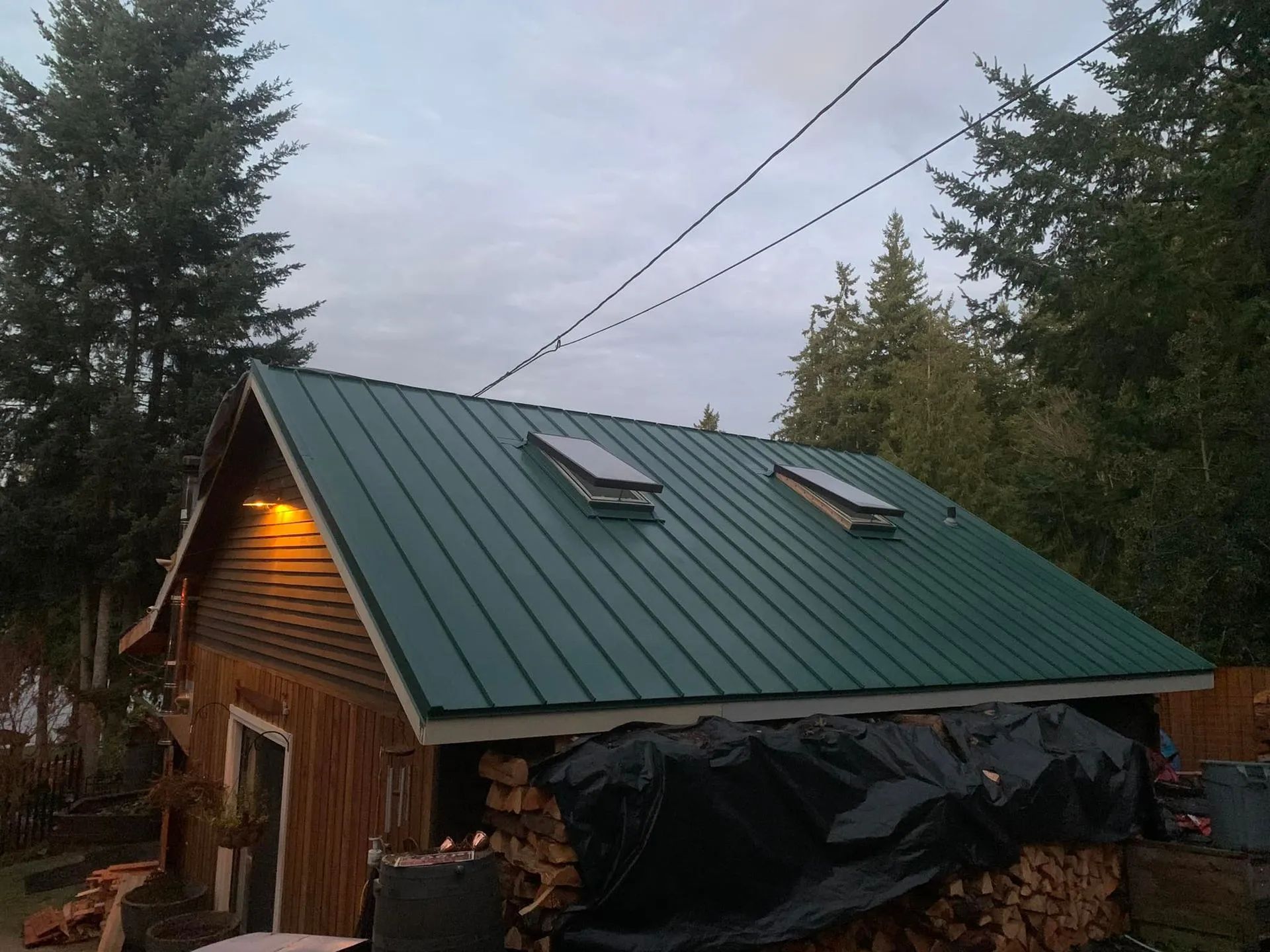
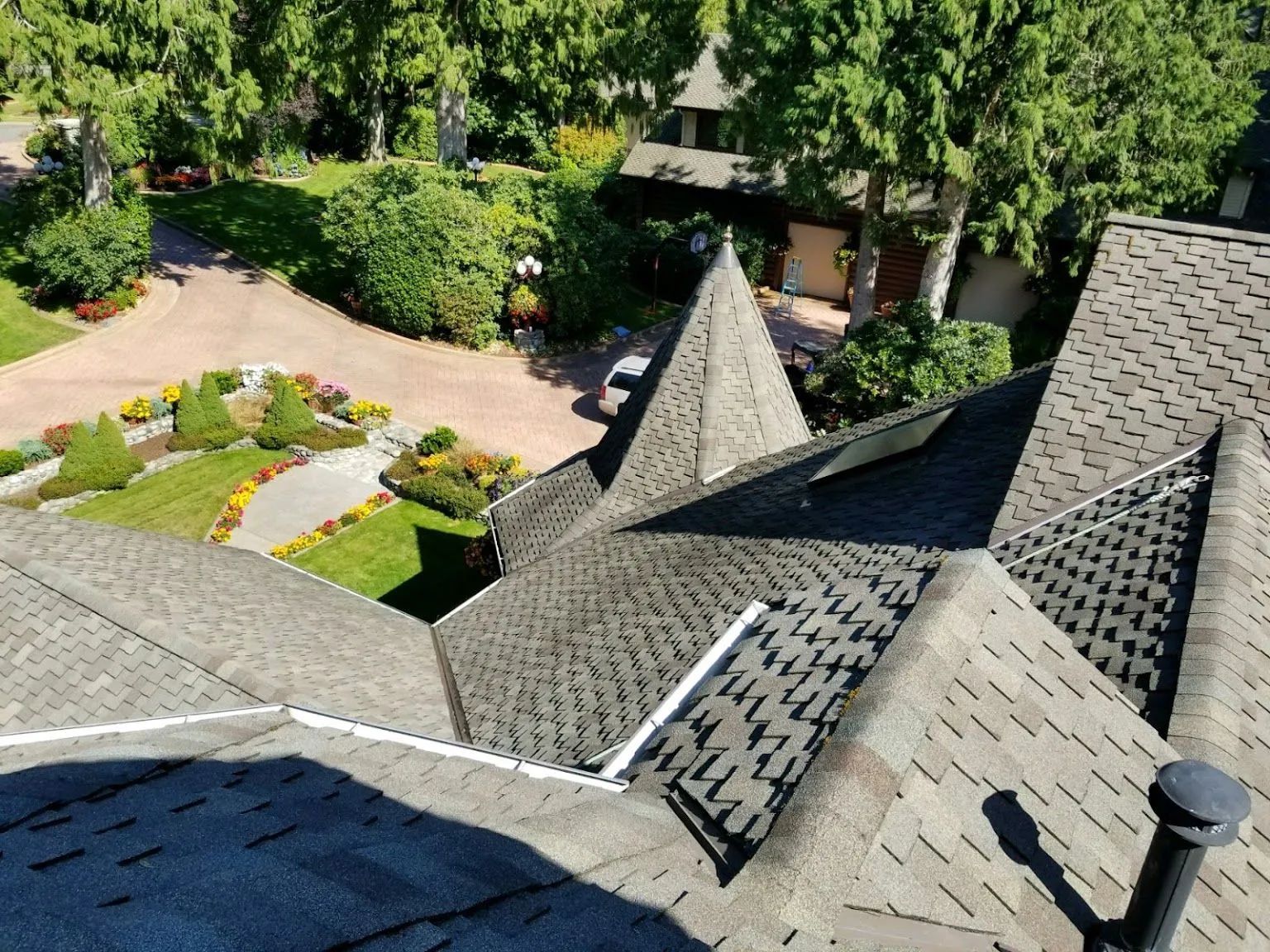
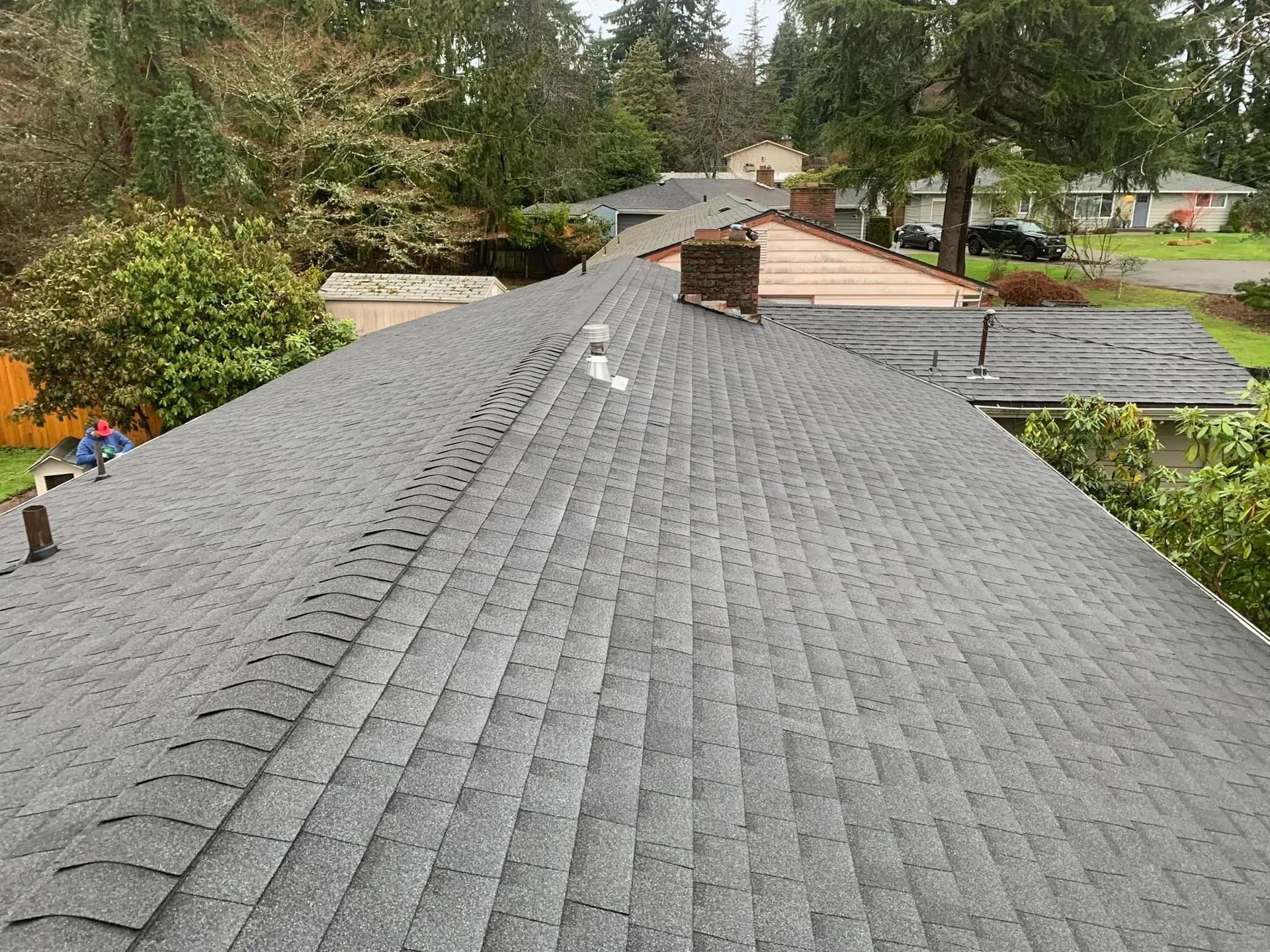
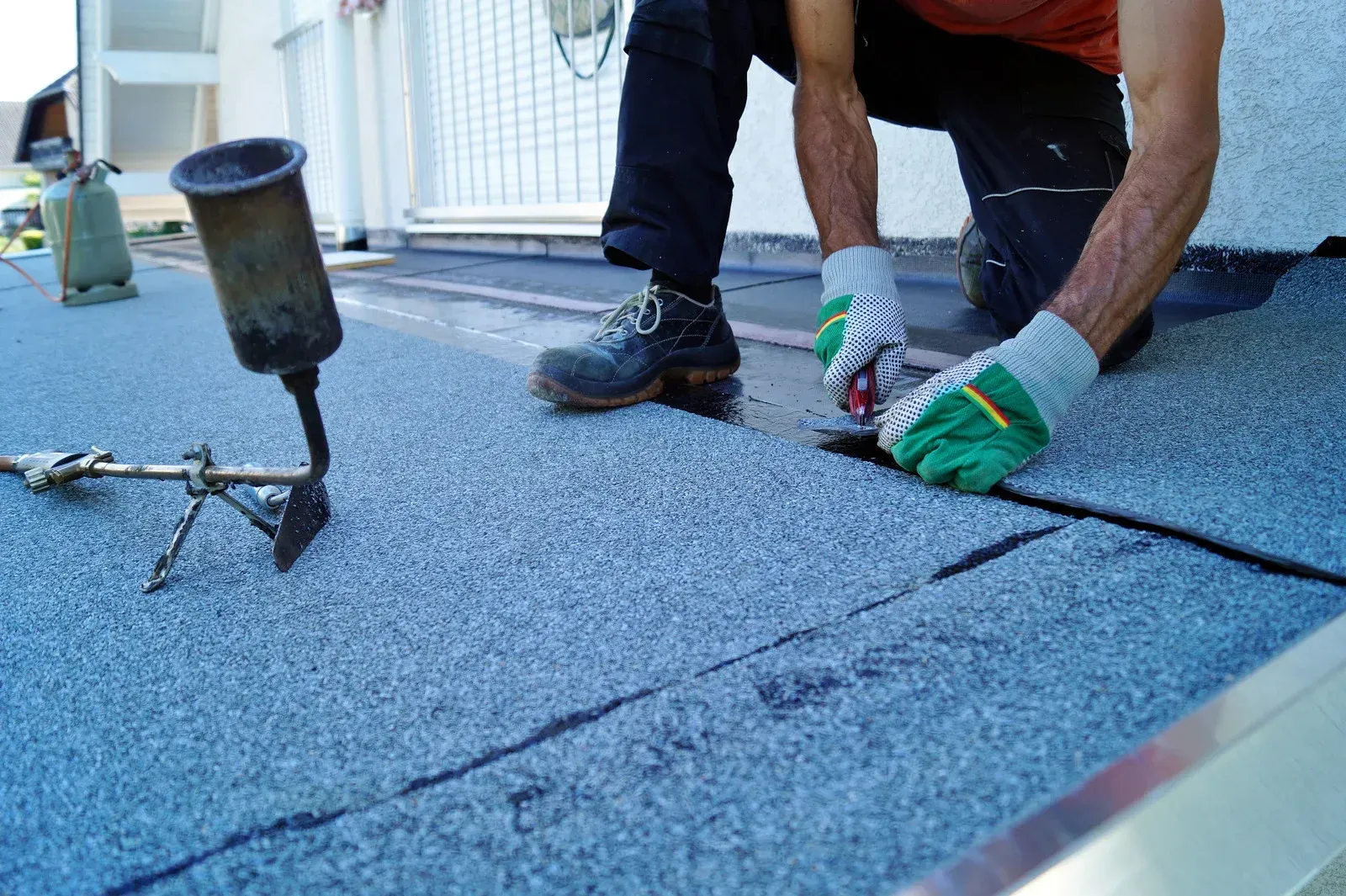
The installation of the chosen roofing material requires precision and expertise. Asphalt shingles, metal panels, or tiles are aligned, secured, and sealed according to manufacturer specifications and industry best practices. Contractors ensure proper overlaps, secure fastenings, and attention to detail at ridges, valleys, and edges, which are vulnerable to leaks.
Flashing and Vent Installation
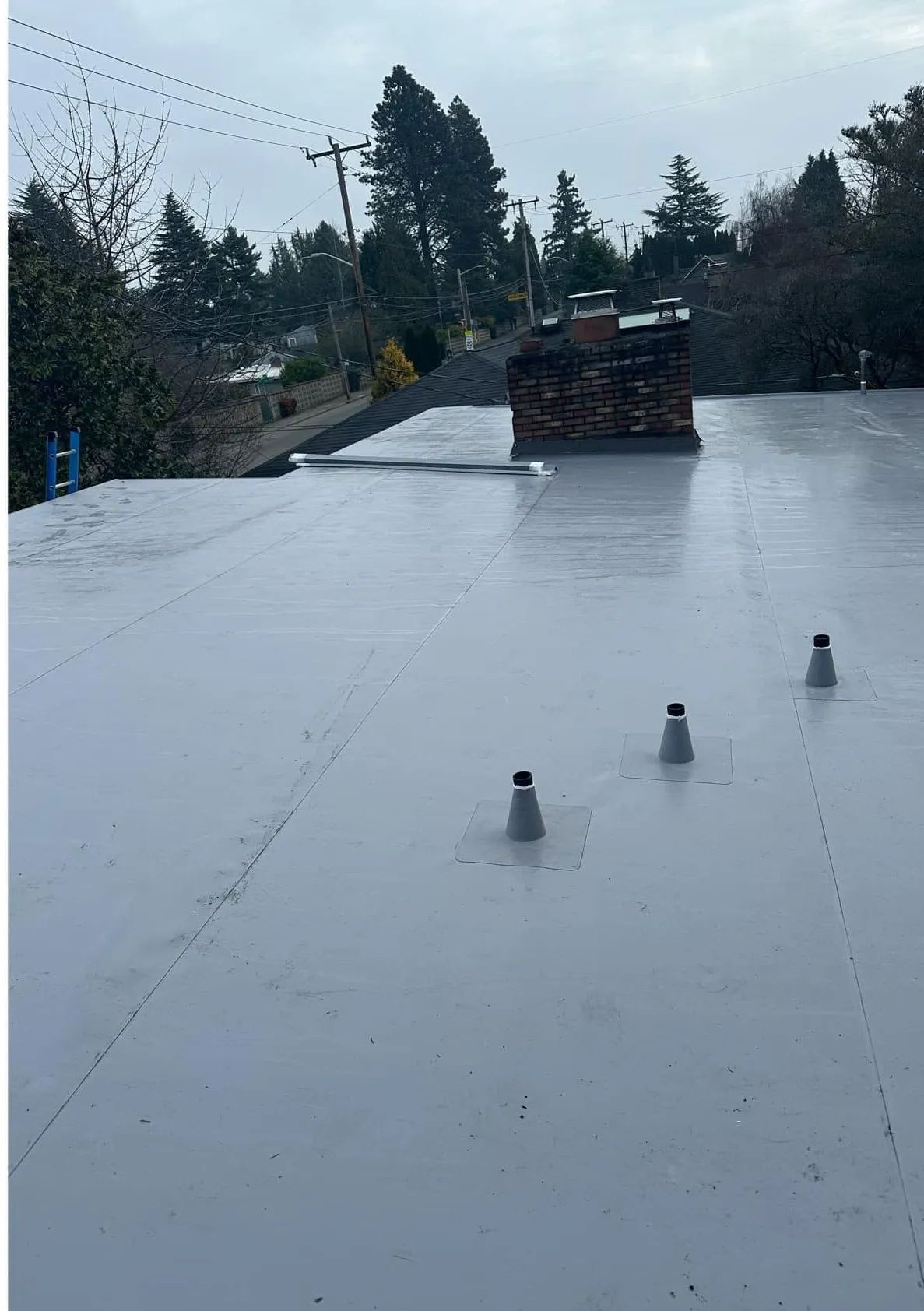
Flashing around chimneys, skylights, vents, and valleys is installed to prevent water intrusion. Proper flashing installation is essential to protect areas prone to leaks. Additionally, roof vents are strategically placed to ensure adequate airflow and maintain optimal attic conditions, supporting energy efficiency and material longevity.
Quality Checks and Final Touches
After installation, a thorough inspection is conducted to verify alignment, fastening, and sealing. Contractors remove debris, clean gutters, and address minor adjustments to ensure a polished, professional finish. Homeowners benefit from detailed post-installation guidance on maintenance and warranty coverage.
Post-Installation Care and Maintenance
- Routine Inspections:- Even a high-quality roof requires regular inspections to maintain its integrity. Homeowners should schedule professional inspections at least once a year and after major storms to identify early signs of wear, loose shingles, or potential leaks. Timely detection allows for prompt repairs and prolongs roof lifespan.
- Cleaning and Debris Management:- Keeping the roof clean from leaves, branches, and moss is crucial to prevent water pooling and material degradation. Simple maintenance practices, such as gutter cleaning and removing debris accumulation, significantly reduce the risk of damage and costly repairs.
- Addressing Minor Repairs Promptly:- Small issues, such as loose shingles or minor flashing damage, should be addressed immediately. Ignoring minor problems can escalate into structural damage, water intrusion, and increased repair costs. Establishing a proactive maintenance routine ensures the roof remains in optimal condition.
- Leveraging Warranties and Professional Support:- Most roofing materials and installations come with warranties. Homeowners should understand the terms, coverage, and claim procedures. Partnering with a reputable contractor for ongoing support ensures access to professional guidance and reliable repairs when needed.
Expert Tips for a Smooth Replacement
- Hire Licensed Contractors: Verified credentials ensure safety and code compliance.
- Communicate Clearly: Discuss timelines, material choices, and expectations upfront.
- Plan for Budget Flexibility: Allow 10–15% contingency for unforeseen repairs.
- Document Everything: Keep contracts, warranties, and inspection reports organized.
- Prioritize Quality Over Cost: High-quality materials and skilled labor reduce long-term maintenance.
Applying these expert tips minimizes stress, ensures project efficiency, and delivers a roof that lasts decades while protecting your home and investment.
Ensuring Long-Term Success After Roof Replacement
Replacing a roof is a major investment, both financially and in terms of home protection. From assessing damage and selecting materials to installation and maintenance, each step requires careful consideration, expert insight, and precise execution. A well-planned roof replacement ensures safety, enhances energy efficiency, increases property value, and provides peace of mind for years to come. By understanding the process and adhering to best practices, homeowners can navigate the complexities of roofing projects with confidence and make informed decisions at every stage.
At Allen Roofing Construction and Remodel LLC, based in Stanwood, WA, we bring 40
years of experience to every roofing project. Our team combines extensive industry knowledge with hands-on expertise to deliver top-quality roof replacements that stand the test of time. We prioritize clear communication, high-quality materials, and meticulous craftsmanship, ensuring every project meets the highest standards. Trust us to protect your home with reliability, professionalism, and a commitment to excellence backed by decades of proven experience.