Common Roofing Problems and How to Prevent Them
January 8, 2026
A well-maintained roof is one of the most critical components of a safe, comfortable, and energy-efficient home. Despite its importance, roofing problems are among the most common and costly maintenance issues homeowners face. From minor leaks to extensive structural damage, unresolved roofing issues can compromise the integrity of your property, lead to expensive repairs, and even pose safety hazards. Understanding common roofing problems and implementing preventative measures is essential for extending the lifespan of your roof and protecting your investment.
In the roofing industry, professionals emphasize that proactive maintenance is far more cost-effective than reactive repairs. Homeowners who are familiar with common issues, such as water damage, shingle deterioration, or ventilation problems, can identify early warning signs and take action before minor concerns escalate. This guide delves into the most prevalent roofing problems, explains why they occur, and offers practical solutions to prevent them. By following these expert-backed strategies, property owners can enhance the durability, functionality, and appearance of their roofs while avoiding unnecessary stress and expenses.
1. Leaks and Water Damage
Causes of Roof Leaks
Roof leaks are among the most frequent problems faced by homeowners. They can originate from several sources, including damaged or missing shingles, improper flashing installation, clogged gutters, and deteriorated seals around chimneys, vents, or skylights. Water infiltration often begins as a minor issue but can escalate into structural damage if left unaddressed.
Identifying Early Signs
Early detection is crucial in preventing significant water damage. Common indicators include water stains on ceilings or walls, damp insulation in the attic, musty odors, and mold growth. Regular inspections, especially after severe weather, can help catch leaks before they spread.
Prevention Strategies
- Routine Inspections: Schedule bi-annual roof inspections, ideally in spring and fall.
- Prompt Repairs: Replace damaged shingles or tiles immediately to prevent water penetration.
- Proper Flashing and Sealing: Ensure flashing around chimneys, vents, and skylights is correctly installed and maintained.
- Gutter Maintenance: Keep gutters clean and ensure proper drainage away from the foundation.
Example: A homeowner in a rainy region noticed discoloration on a ceiling corner. A professional inspection revealed a small leak caused by deteriorated flashing. Early detection saved thousands in potential structural repairs.
2. Shingle Damage and Deterioration
Common Shingle Issues
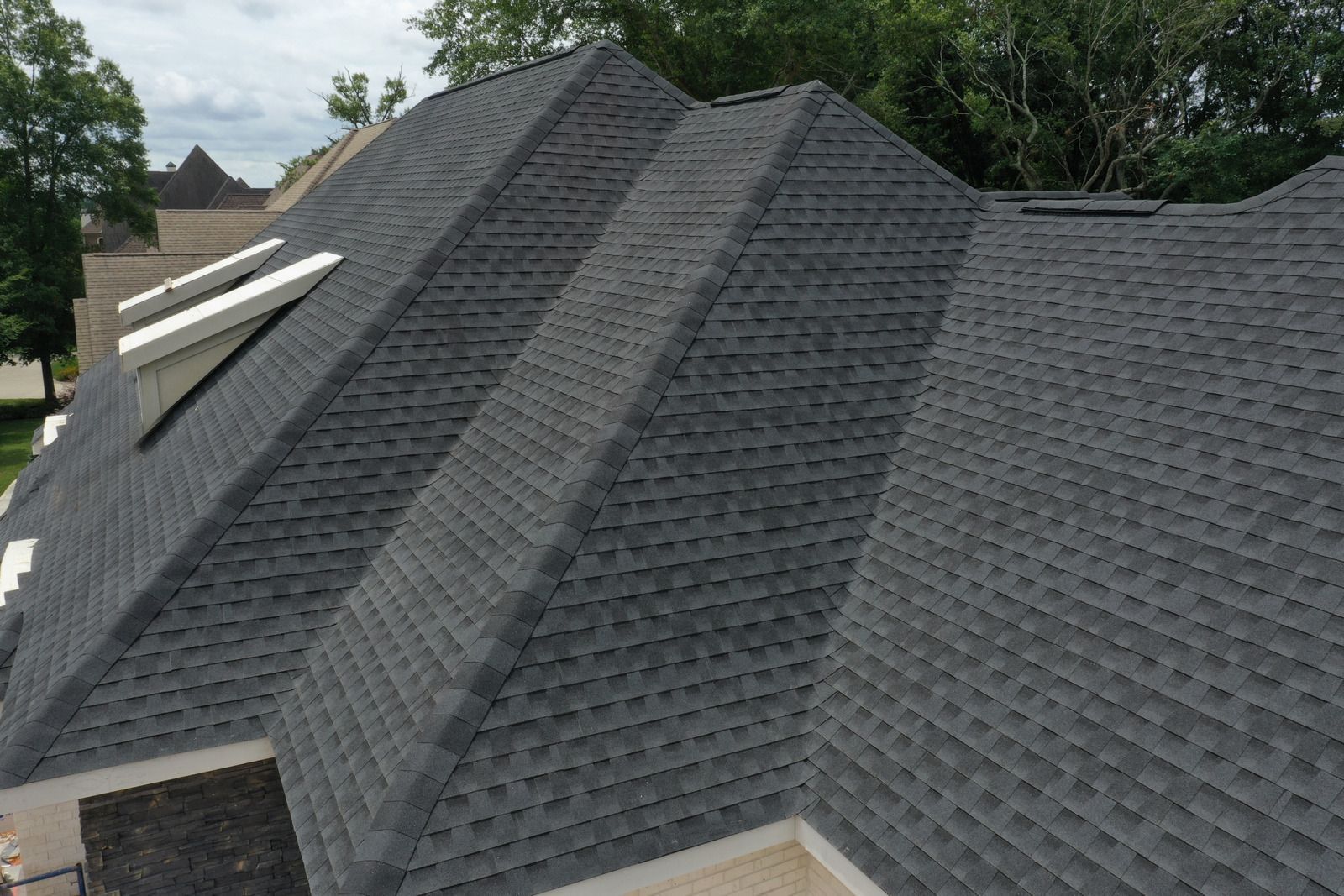
Shingles are the first line of defense against weather elements. Over time, they can crack, curl, warp, or lose granules due to exposure to sun, wind, and temperature fluctuations. Asphalt shingles, the most common roofing material, typically last 20–30 years but require maintenance to maximize longevity.
Risk Factors
- Extreme Weather: Hailstorms, heavy winds, and intense sunlight accelerate wear.
- Poor Installation: Incorrect nailing or alignment can cause premature shingle failure.
- Lack of Maintenance: Ignoring minor damage allows problems to compound over time.
Preventive Measures
- Regular Inspections: Check shingles annually for signs of wear, curling, or granule loss.
- Timely Repairs: Replace individual damaged shingles instead of waiting for a full roof replacement.
- Professional Installation: Ensure shingles are installed by certified roofing contractors following manufacturer guidelines.
- Protective Coatings: Some regions benefit from UV-resistant coatings to slow sun-related damage.
Real-World Scenario: A homeowner replaced 10 damaged shingles after noticing granule loss on the roof slope. This small intervention prevented water infiltration and avoided the need for a complete roof replacement.
3. Poor Ventilation and Insulation
Why Ventilation Matters
Proper attic ventilation is essential for maintaining roof integrity and overall home comfort. Inadequate ventilation traps heat and moisture, leading to shingle deterioration, mold growth, ice dams, and increased energy costs.
Signs of Ventilation Problems
- Excessive heat in the attic during summer months.
- Ice dams forming along the roof edge in winter.
- Musty odors or visible mold in the attic space.
- Accelerated shingle wear and blistering.
Preventative Solutions
- Install Ridge Vents and Soffit Vents: Ensure continuous airflow to prevent heat and moisture buildup.
- Check Insulation Levels:
Proper insulation reduces condensation and balances attic temperature.
- Seasonal Inspections: Verify that vents are clear of debris and functioning correctly.
- Professional Assessment: Engage roofing professionals to assess and optimize attic ventilation.
Benefit: Homes with well-ventilated attics experience longer roof lifespans, lower energy bills, and reduced risk of mold-related health issues.
4. Ice Dams and Snow Damage
Understanding Ice Dams
Ice dams form when heat escapes from the attic, melting snow on the roof. The melted water refreezes at the eaves, creating a barrier that prevents proper drainage. Water can then seep under shingles, causing leaks and structural damage.
Risk Factors
- Poor insulation or ventilation in the attic.
- Roof design that allows snow accumulation in certain areas.
- Rapid temperature fluctuations leading to freeze-thaw cycles.
Prevention Strategies
- Enhance Insulation and Ventilation: Maintain consistent attic temperatures to prevent snow from melting unevenly.
- Roof Raking: Remove excess snow promptly to reduce the risk of ice dams.
- Heat Cables: In regions with frequent ice dams, consider professionally installed heating cables along the eaves.
- Regular Roof Inspections: Identify areas prone to ice dam formation and reinforce vulnerable spots.
Example: In a mountainous area, a home with reinforced insulation and professional snow removal experienced minimal ice damage during a harsh winter, demonstrating the effectiveness of proactive measures.
5. Gutter and Drainage Problems
Common Gutter Issues
Clogged or damaged gutters prevent water from draining properly, leading to roof leaks, foundation erosion, and landscape damage. Downspouts that are blocked or misaligned exacerbate water accumulation.
Signs of Drainage Issues
- Overflowing gutters during light rain.
- Water pooling near the foundation.
- Stains or streaks on the siding or roofline.
- Rotting fascia or soffits.
Preventive Measures
- Routine Cleaning:
Remove leaves, twigs, and debris at least twice a year.
- Install Gutter Guards: Reduce the likelihood of clogs and simplify maintenance.
- Inspect for Damage: Check for cracks, holes, or loose sections and repair promptly.
- Ensure Proper Slope: Gutters should direct water away from the foundation effectively.
Benefit: Efficient gutter systems extend roof life, prevent water damage, and reduce costly home repairs.
6. Algae, Moss, and Fungal Growth
Causes and Risks
Algae, moss, and fungi thrive in moist, shaded environments. While primarily aesthetic, excessive growth can trap moisture, deteriorate shingles, and reduce roof lifespan. Certain regions, particularly humid or shaded areas, are more prone to these issues.
Identification
- Green streaks or black spots on shingles.
- Moss forming dense patches along shaded areas of the roof.
- Slippery surfaces when walking on the roof during damp conditions.
Prevention and Treatment
- Trim Overhanging Branches: Allow sunlight to reach the roof and reduce moisture accumulation.
- Clean the Roof Surface: Gently remove moss or algae using manufacturer-approved cleaning solutions.
- Zinc or Copper Strips: Install strips near the roof ridge; rainwater naturally inhibits growth.
- Regular Monitoring: Conduct seasonal inspections to catch growth early.
Real-World Insight: A homeowner applied zinc strips along the ridge line of a north-facing roof. Over the following seasons, algae growth reduced significantly, preserving shingle integrity and curb appeal.
7. Roof Flashing Problems
Importance of Proper Flashing
Flashing prevents water from seeping into vulnerable areas such as chimneys, vents, skylights, and valleys. Poorly installed or damaged flashing is a leading cause of leaks.
Common Issues
- Rust or corrosion in metal flashing
- Gaps due to improper sealing or age
- Dislodged flashing from strong winds
Preventive Measures
- Inspect flashing annually for cracks or rust
- Apply high-quality sealant around edges
- Replace old or damaged flashing promptly
Example: A homeowner ignored minor flashing gaps near a skylight, which eventually caused water stains and mold growth. Early replacement could have avoided costly interior repairs.
8. Vent Pipe and Chimney Seal Deterioration
Why Seals Matter
Seals around vent pipes, chimneys, and roof penetrations prevent leaks and protect the structure from water damage.
Signs of Wear
- Cracked or missing caulking
- Rust stains on flashing or roof surface
- Water stains appearing around penetrations
Preventive Strategies
- Inspect seals annually and after severe storms
- Replace deteriorated caulking immediately
- Ensure professional installation during roof upgrades
9. Roof Structural Issues
Common Structural Problems
Structural issues may result from age, poor installation, water damage, or heavy snow loads. These can include sagging, weakened rafters, or deck damage.
Indicators of Structural Problems
- Uneven rooflines or sagging areas
- Doors and windows sticking due to frame shifts
- Cracks in interior ceilings or walls
Prevention Techniques
- Conduct professional roof inspections every few years
- Reinforce vulnerable areas with additional support
- Address minor leaks or water damage promptly
Benefit: Proactive attention to structure reduces the risk of catastrophic roof failure.
10. Tree and Debris Damage
How Trees Affect Roofs
Overhanging branches and falling limbs can damage shingles, gutters, and flashing. Debris accumulation promotes moisture retention and moss growth.
Risks and Indicators
- Scratched or punctured shingles
- Damaged gutters or downspouts
- Moss and algae growth in shaded areas
Preventive Actions
- Trim trees away from roofline regularly
- Remove leaves and debris from roof and gutters
- Inspect roof after storms for branch damage
Example: A heavy storm broke a branch onto a roof, causing minor shingle damage. Regular tree trimming could have prevented this incident.
Protect Your Home with Proactive Roof Maintenance
Roofing problems, from leaks and shingle deterioration to ventilation and drainage issues, can pose serious risks to property longevity and homeowner safety. Early identification and preventive maintenance are key to avoiding costly repairs and extending the life of your roof. Routine inspections, proper installation, and timely interventions allow homeowners to address minor concerns before they escalate into significant structural damage. Additionally, understanding specific regional challenges, such as snow, ice, or moisture-prone areas, enhances preparedness and minimizes unexpected roofing emergencies.
Allen Roofing Construction and Remodel LLC, based in Stanwood, WA, brings 40
years of experience in delivering
high-quality roofing solutions. Our team of professionals specializes in identifying potential issues early and implementing preventative strategies to protect your home. From inspections to repairs and complete roof replacements, we are committed to craftsmanship, safety, and customer satisfaction. Homeowners in the Stanwood area trust us for our expertise, attention to detail, and unwavering dedication to long-lasting roofing performance.